
Overview
Industry is everywhere. In the steel beams holding up our buildings, the cement under our roads, and the fertilizer growing our food. It's also one of the most significant sources of climate and health harm.
Industry is ripe for transformation, but the movement infrastructure needed to drive transformation has not kept pace with the scale of challenge. Compared with other parts of the climate movement, industrial work has received less sustained attention, investment, and organizing capacity. Efforts remain fragmented, and too often, progress depends on a single policy window, election cycles, or administration.
Lasting industrial transformation requires a movement built on deeper and more durable power, not momentary wins. It requires trust among communities and organizations, stronger coordination across the field, and a shared vision of what a just industrial future can look like, even before every solution is fully known.
That's where field building comes in.
Our Approach
What we are building
Industrial transformation will require more than strong research, well-designed campaigns, or a favorable political moment. It will require a field with the relationships, shared strategy, and collective power to turn opportunity into lasting change.
The Field Building team works at the intersection of movement building and power building. We connect organizations and leaders who may approach industry from different starting points but share a stake in changing how it operates, who benefits, and who bears its costs.
Think of industrial transformation as an archer’s target. Research helps us see where to aim. Campaigns create momentum. Communications help people understand what is at stake. Fundraising and operational capacity give the work strength and staying power.
But none of those elements can move the arrow on their own. The force comes from the field: the coalitions, relationships, networks, leaders, and organizing infrastructure capable of acting together.
Without that force, even a well-funded and carefully designed campaign can fall short. With it, organizations can move beyond isolated wins and begin changing the underlying rules of industry.
Who do we work with?
We build relationships with organizations across racial justice, labor, health, faith, and more. Our partners include:
- Climate advocacy organizations who see the emissions reduction potential our work has and how that will improve lives for all.
- Environmental justice organizations, often on the frontline of these fights, that are trying to create better lives for their communities with better health outcomes, decreased medical costs, better jobs, and more agency over their communities.
- Public health and healthcare professional organizations that understand that the climate crisis is impacting people’s lives and health now.
- Faith groups that ground industrial transformation in moral responsibility, bringing trusted voices and deep relationships rooted in a shared commitment to love of neighbor, care for workers, and efforts to ensure that future generations flourish.
- Labor organizations that see how the shared vision of industrial transformation means not only keeping but creating jobs, and increasing labor’s power.
- Community-based organizations that understand the intersection of climate, jobs, and justice with their communities’ needs.
- Racial and economic justice organizations that advocate for, and organize with, the marginalized communities that are most impacted by industrial harm.
A diverse field makes the power we build durable — able to hold even as any single relationship, sector, or political moment shifts.
Our Work
Below are a few projects our team is leading with partners in the field:

Clean Heat Coalitions
These coalitions of environmental, public health, and community organizations are working to decarbonize industrial heating processes used in manufacturing like food and beverage, paper and pulp, pharmaceuticals, and more. By bringing together these diverse stakeholders, we’re building up movements in the Bay Area and Southern California that can help advance the modernization of manufacturing to clean up emissions, create jobs, and save lives. One Southern California coalition subgroup is working with healthcare professionals to bring their expert power toward transforming industry.

Clean Steel Community Cohort
Bringing together workers, fenceline residents, and other local leaders, this program builds shared understanding and collective power for industrial transformation in legacy steel communities. Through education and leadership development, participants explore the opportunities and challenges of transitioning to clean steelmaking. By connecting and empowering people across differences and sectors, we are building the conditions for a cleaner, healthier, and more economically secure future.

Global Cement Network
Launched in 2025, this global network convenes stakeholders across sectors in the Global South to fight for cement decarbonization and transformation. Members learn about what is happening in other parts of the world and develop strategies to bring about cement transformation.

Industrial Equity Mapper
Building a better future starts with better data and using storytelling to build a powerful vision and a more honest story of industrial transformation. This digital mapping tool sits at the intersection of heavy industry and justice in 24 key geographies. It delivers concrete data and storytelling to put power back into the hands of everyday people. It analyzes a range of health, demographic, economic, and pollution data with dozens of interviews about industry’s impact on communities. This work builds on decades of community efforts to secure better monitoring, greater transparency, and accountability from industry. Explore the Mapper.

Movement Lab Cohort
The Movement Lab Cohort is an advisory committee comprising an equitable mix of community leaders, justice advocates, labor advocates, and climate advocates who reflect our climate, justice, and jobs priorities. This year, we’re working with this cohort to develop a clear vision for industrial transformation that’s values-driven and reflective of our commitment to climate, justice, and jobs. A shared, values-driven vision of industrial transformation ensures we have an intersectional north star anchoring our work.

Regranting
To build the field necessary to reach our vision of industrial transformation, we need to resource and invest in the groups, organizations, and communities that are on the frontline of the fights. We resource and invest in frontline groups and communities, especially those led by Black, Indigenous, and people of color, to build their capacity to win durable change. To date, we've regranted $3 million to organizations, including environmental justice groups, across the country.
Join Us
Building this kind of power takes all of us. Here are some ways to get involved with our Field Building work.
- Tell Nippon Steel: We Need a Clean Steel Transition in Northwest Indiana Now
- Join a campaign network
- Join the National Industrial Transformation network
Fill out this form if you would like to join any of the above. Questions? Want to collaborate? Reach out to contact@industriouslabs.org.
Read More
Blogs and News
- 08.25.2026

New data shows how industrial pollution takes a toll on health, workers, and the environment — and who bears the brunt
- 04.24.2024
- 04.08.2024
- 00.00.0000


Reports, Fact Sheets, and More

How power works: Organizing for climate rooted in the movement
Dominique Thomas writes about building a justice-centered path to industrial decarbonization by grounding base-building, political education, and power analysis in the lived realities of communities most impacted by pollution and inequity.
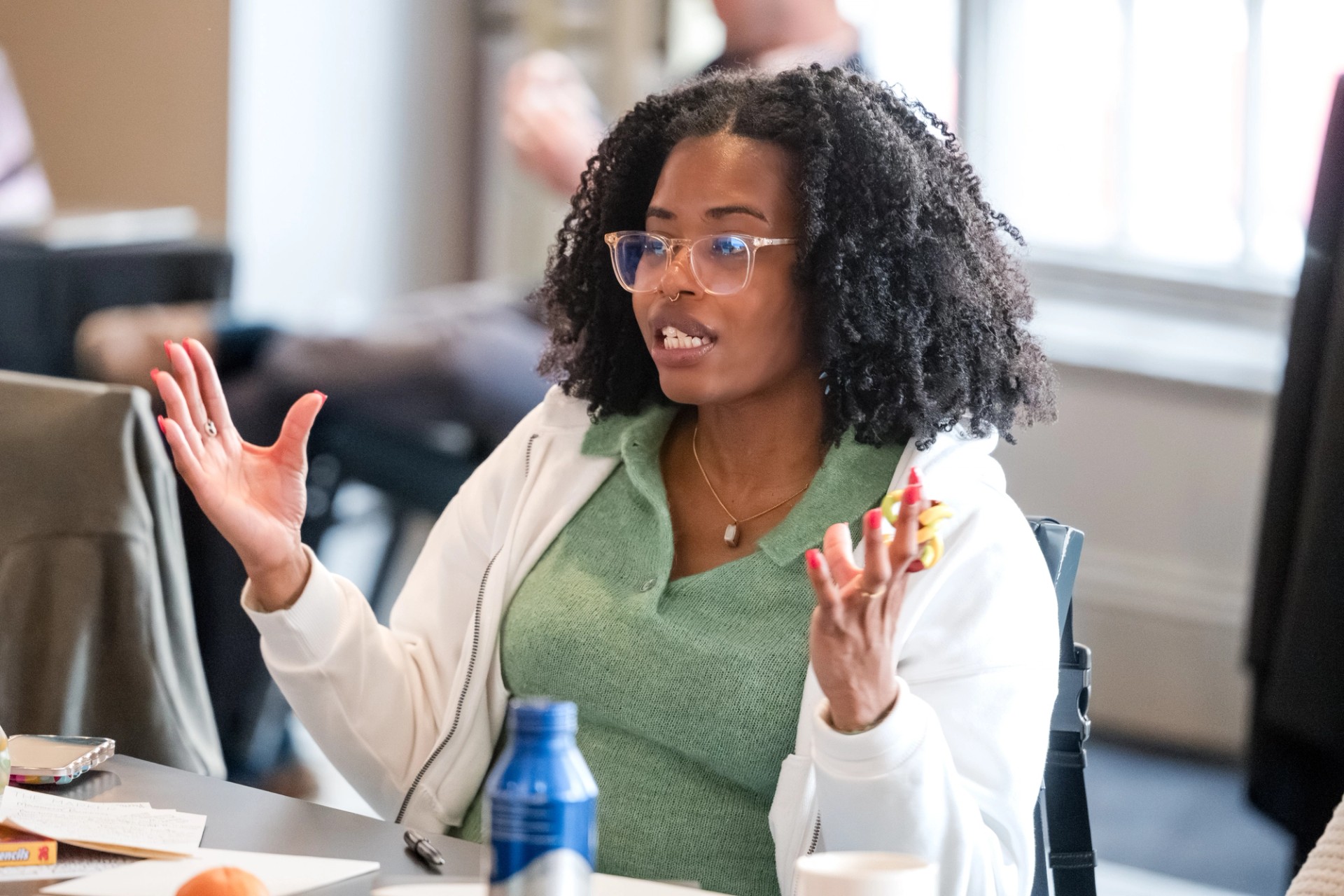
Voices of Impact: Dominique Thomas on Industrial Decarbonization and Climate Justice
Dominique Thomas writes about the urgent need for justice-centered base-building, power analysis, and community-led action to decarbonize heavy industry without reproducing existing harms.