Industrious idea: One year after the U.S. Steel sale, we’re still waiting for answers
This is an excerpt from the 6.16.2026 edition of the Lab Report, our biweekly newsletter on industrial decarbonization. Sign up here to get it in your inbox.
Mari Gutierrez, Senior Campaign Strategist
In two days, it will have been one year since Nippon Steel completed its acquisition of U.S. Steel. Over the past year, I've spent time talking to people who live in the legacy steel communities most affected by that deal: Gary, Indiana, Pittsburgh's Mon Valley, and others. These communities built this industry, and they're watching closely to see whether Nippon's ownership means investment in their future or a slow wind-down.
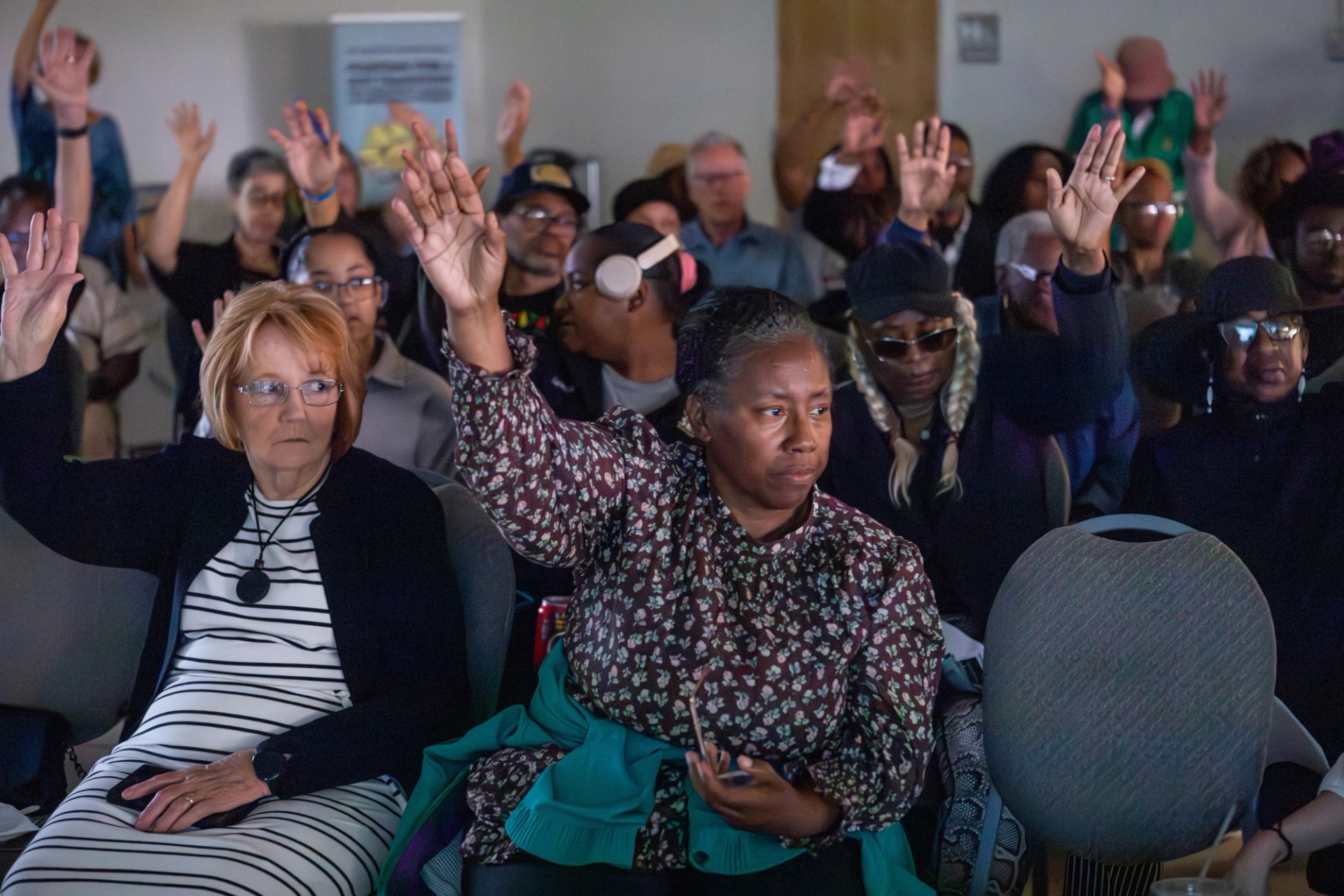
This issue came into sharp focus at a town hall we co-hosted in Gary, Indiana, a few weeks ago. More than 120 residents packed the Gary Public Library for the largest clean steel-focused public event the city has ever seen. When a presenter asked how many people had a family member or friend who worked in the steel industry, almost every hand went up. And when they asked how many knew someone with health problems they believed were linked to steel pollution, almost every hand went up again.
Town hall participants raise their hands in response to a question about whether they have a family member or friend who has worked in steel. (Credit: Matthew Kaplan)
In Arkansas, the company is investing $1.9 billion in a next-generation, coal-free plant down. Nippon Steel CEO has called Arkansas the place where "America's next century of steel is being forged."
In Gary, however, the company’s first move has been to patch up old technology through a $350 million planned reline of a 50-year-old coal blast furnace, locking in coal-based production through the 2040s. But there has been no word on investments for Gary's long-term future.
Gary Councilwoman Lori Latham put it plainly at the town hall: "Our Northwest Indiana communities have carried the environmental and even the economic burdens of making steel for decades. We deserve the same modernization investments that are happening elsewhere."
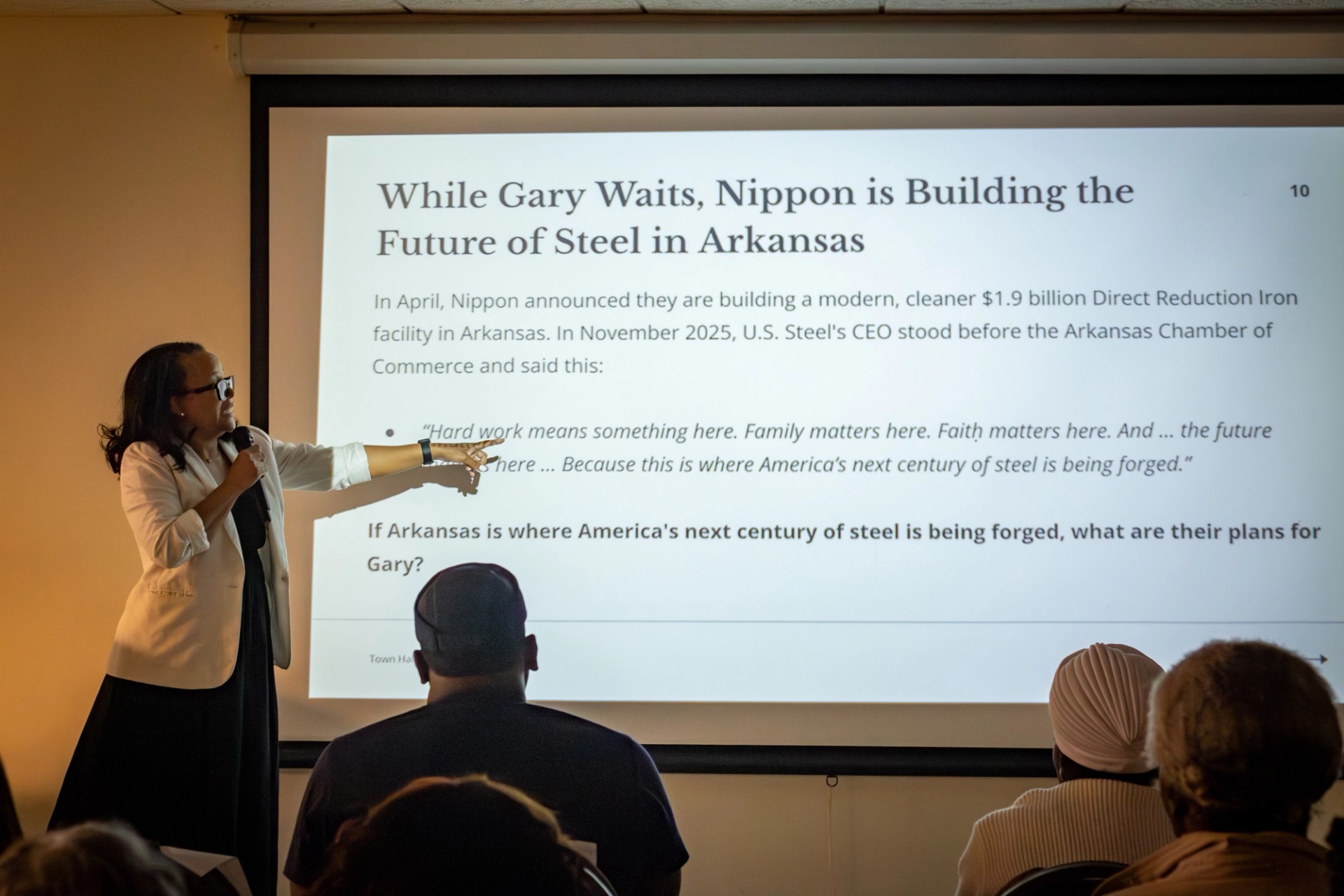
Gary City Councilmember Lori Latham highlights the gaps in Nippon Steel’s current plans for Gary Works. (Credit: Matthew Kaplan)
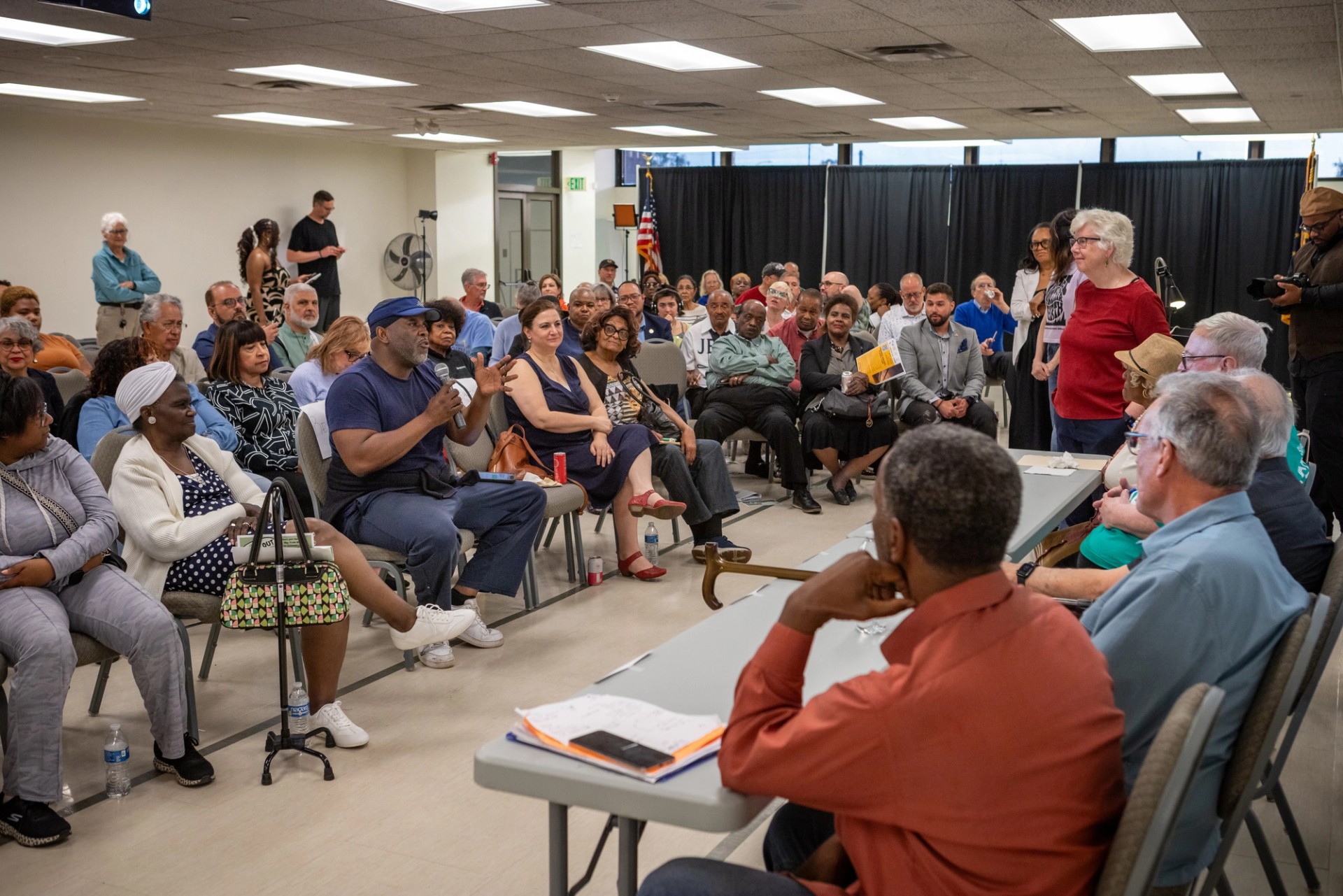
A resident asks panelists a question during a town hall in Gary, Indiana. (Credit: Matthew Kaplan)
Gary isn't alone. Last month, residents in Pittsburgh's Mon Valley gathered to reckon with the aftermath of a fatal explosion at U.S. Steel's Clairton Coke Works that killed two workers — a stark reminder of what Nippon inherited. OSHA has since cited U.S. Steel for seven serious safety violations. One resident said it directly: Nippon promised investment in the Mon Valley, and that's not happening. Another asked why Nippon applies higher environmental standards to its plants in Japan than to the ones it now owns here.
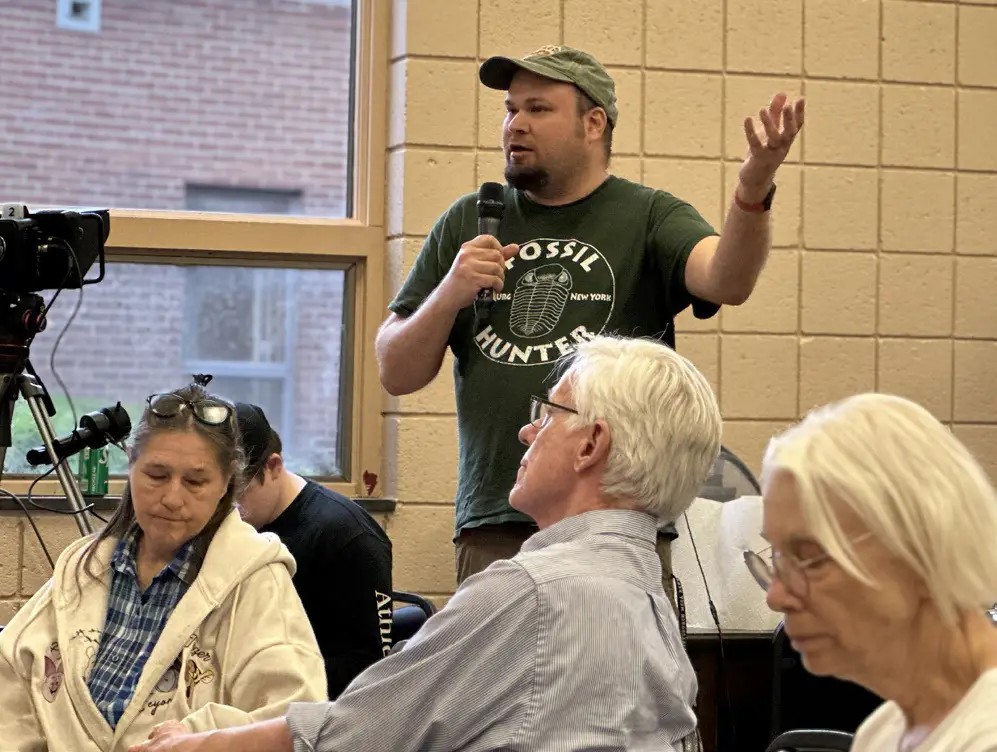
A community member asks a question during the Mon Valley Community Conversation. (Credit: Ladimir Garcia / MVI)
On June 23, Nippon Steel will hold its annual general meeting in Tokyo, and we intend to ensure these questions are answered. Tune in for a press conference with advocates from Indiana and Pennsylvania the day before at 7:00 pm ET where they will demand Nippon Steel bring coal-free ironmaking investments to existing U.S. Steel mills.
The technology exists. The money exists. The only question is whether Nippon Steel will choose to invest in it in the communities that built this industry. We'll be fighting to make sure they do.
Want more like this? Subscribe to the Lab Report for updates on the movement to clean up heavy industry every two weeks.