Industrious idea: From a listening tour to national policy - Tanzania puts cement on the agenda
This is an excerpt from the June 29, 2026 edition of the Lab Report, our biweekly newsletter on industrial decarbonization. Sign up here to get it in your inbox.
By: Annie Sartor, Senior Campaigns Director
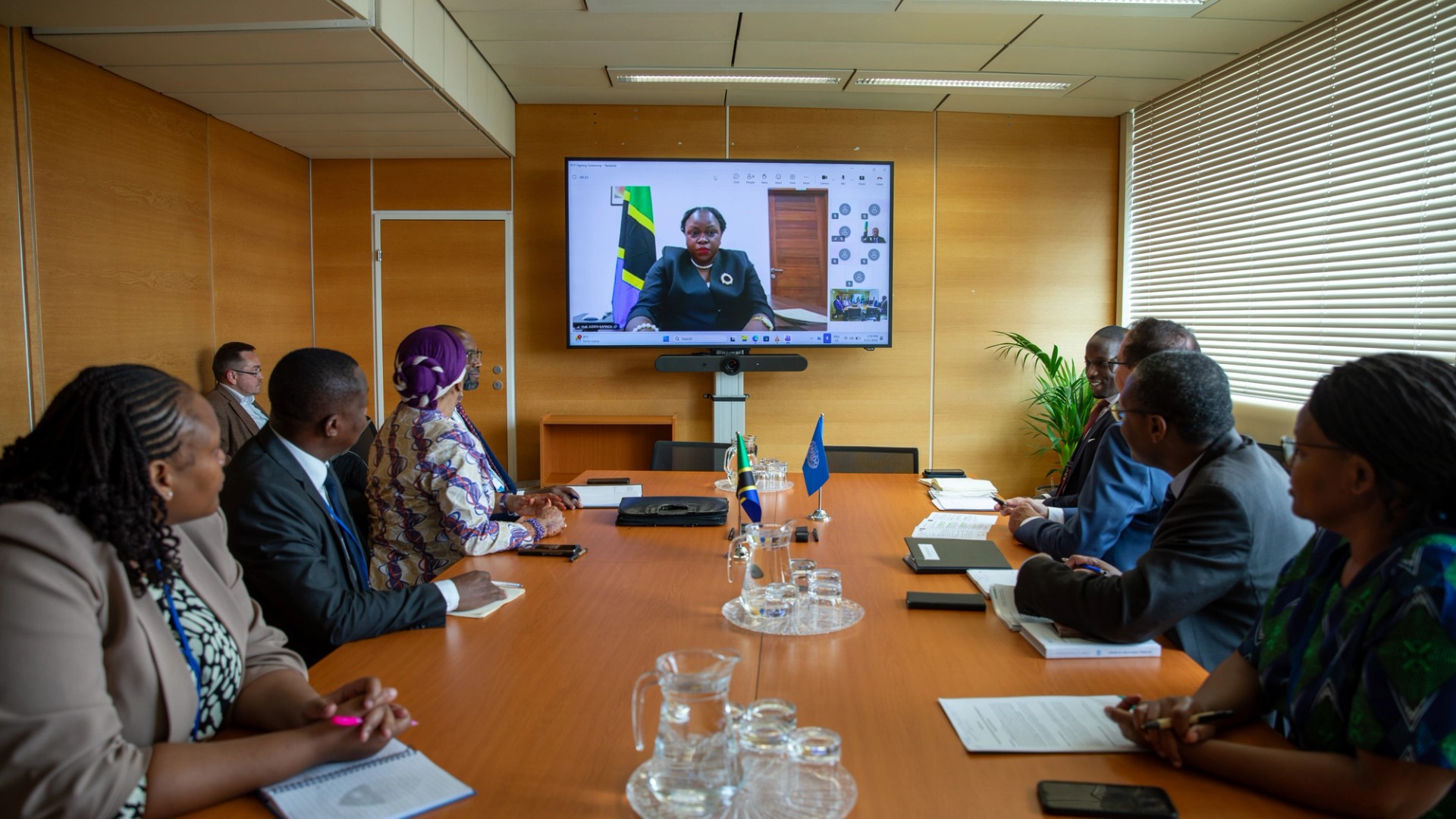
Last week, Tanzania and UNIDO, the UN's industrial development agency, signed a five-year partnership to guide the country's Development Vision 2050, bringing together government, industry, and financial institutions around industrial growth. Tanzania named cement — an industry many climate plans ignore and one of the largest sources of industrial emissions in the country — a national priority.
Above: Meeting between UNIDO Director General, Gerd Müller; Tanzania’s Minister of Industry and Trade, Judith Salvio Kapinga (online); and Ambassador of the United Republic of Tanzania, Naimi Hamza Azizz. Credit: UNIDO
That didn't happen in a vacuum. Back in May, our team co-hosted a workshop in Dar es Salaam with Tanzania's Vice President's Office. It was the first time cement executives, government officials, researchers, and grassroots organizers had been brought together to discuss this. By day two, they were huddled in breakout groups sketching pilot ideas: job training programs, community-run emissions monitoring, and more.
The workshop was our attempt to answer a question many countries in the Global South now face. Cement is one of the biggest climate problems nobody talks about — responsible for roughly 8% of global CO₂ emissions — and demand will only climb as countries build the roads, hospitals, and housing people need. So how do you build all of that without locking in decades of pollution?
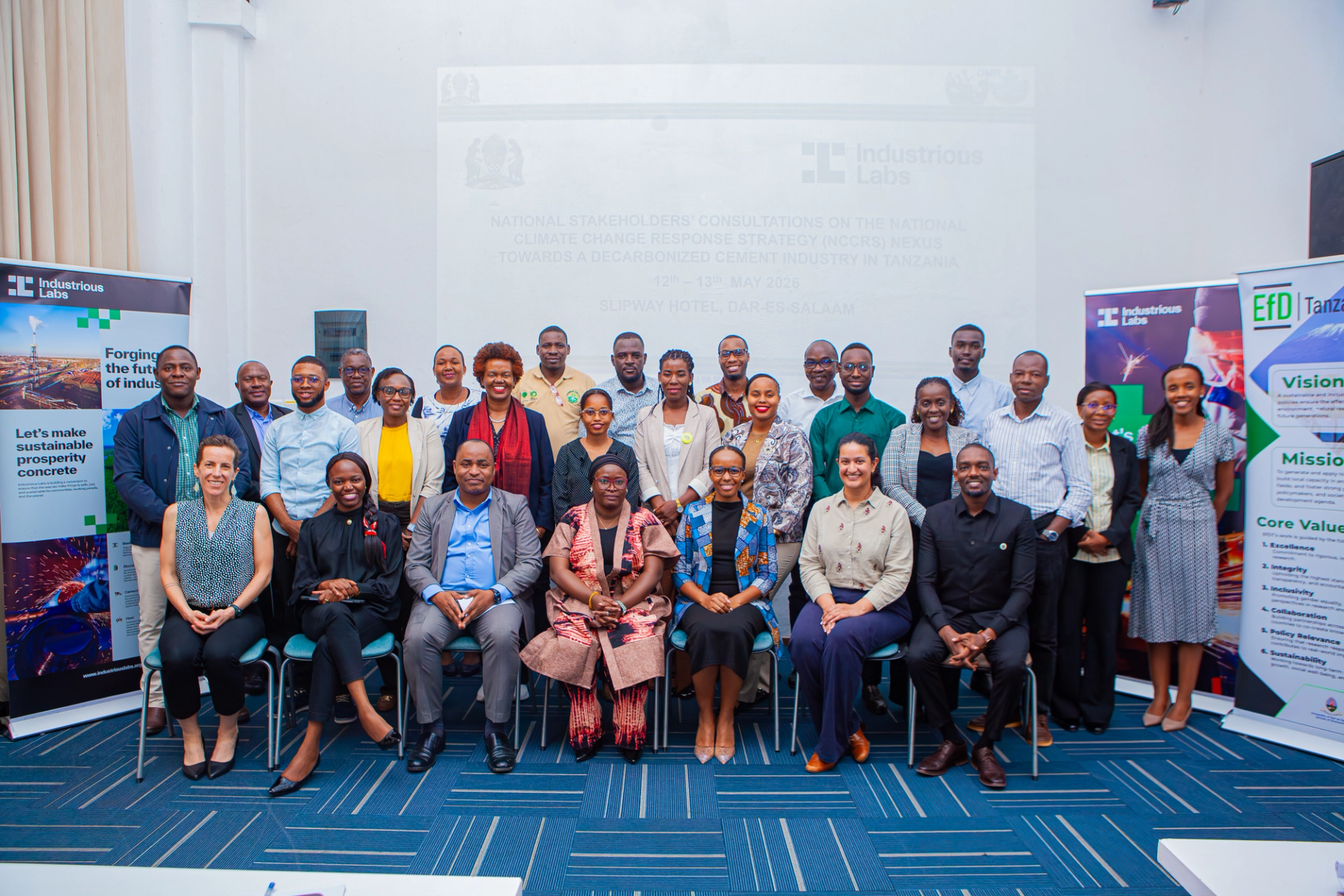
Above: Group photo of the participants at the May workshop in Tanzania co-hosted by Industrious Labs
For us, it started with listening. Months before anyone sat down in Dar es Salaam, Gloria Mgelwa, our Tanzania Advisor, was on the ground building relationships and listening to cement companies, officials, and community groups individually before bringing them together for the workshop. The agenda that emerged reflected what Tanzanians actually wanted to work on, not what outside groups assumed they should care about.
This groundwork is why the workshop moved as fast as it did and why the momentum didn't stop there. It's a model built on deep engagement and trust, and one that can be replicated. We're now exploring bringing a similar workshop to Kenya and India. More to come.
Want more like this? Subscribe to the Lab Report for updates on the movement to clean up heavy industry every two weeks.