Industrious idea: Cement is one of the world's biggest climate problems. Here's how Tanzania is mapping its path forward.
This is an excerpt from the June 2, 2026 edition of the Lab Report, our biweekly newsletter on industrial decarbonization. Sign up here to get it in your inbox.
By: Ash Lauth, Senior Campaign Strategist, Cement
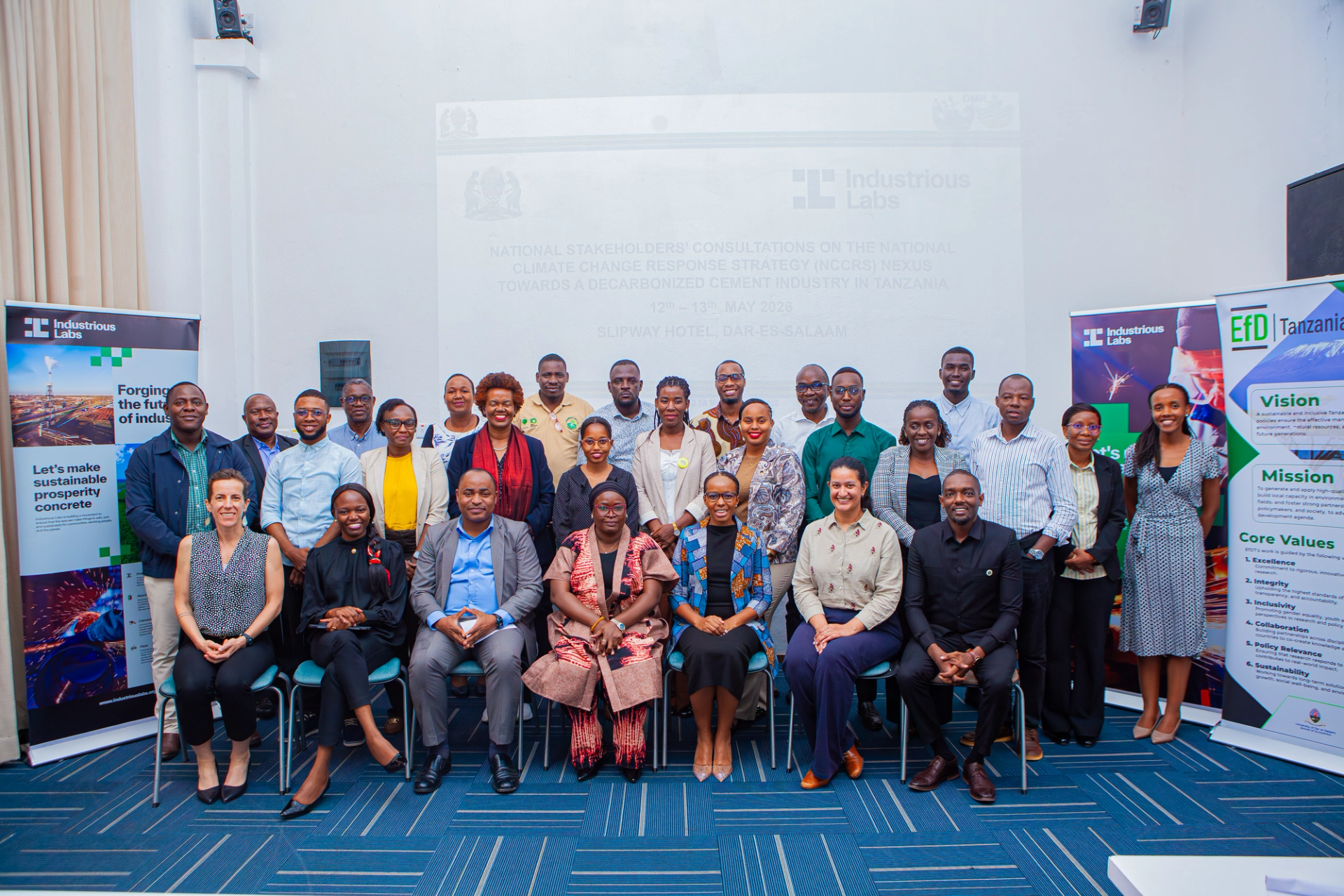
In May, our team flew to Dar es Salaam to bring critical stakeholders together to talk about cement. Cement is one of the biggest climate problems nobody talks about. Making it pumps out roughly 8% of global CO₂ emissions. And as countries in the global south build roads, hospitals, and housing, demand will only go up.
So how do you grow an economy and clean up one of its most carbon-intensive industries? That's exactly what we came together to discuss at the national consultation on cement decarbonization, which we co-hosted with Tanzania’s Vice President’s Office.
Over two days, around 30 people across multiple sectors put their heads together: cement company executives, government officials, university researchers, grassroots community organizers, and international development experts. These are groups that don't always sit at the same table.
Above: Participants at the Tanzania workshop in May
What surprised us most was how quickly the room moved from broad discussion into implementation planning. By day two, breakout groups were sketching out real pilot ideas: job training programs for a cleaner cement workforce, community-run emissions monitoring, and ways to use local materials as alternatives to the most carbon-intensive ingredients.
We also learned how important it is to take time to build relationships. Gloria Mgelwa, Industrious Labs' Tanzania Advisor, spent months before the trip building trust, listening, and ensuring the agenda reflected real priorities in Tanzania rather than external ones — and this work was clear in how people participated.
The energy and enthusiasm in the room were palpable. One panel scheduled for an hour ran for nearly two and a half hours because participants were so deeply engaged. Rather than defending institutional positions, cement companies, government officials, grassroots groups, and researchers were actively building ideas together.
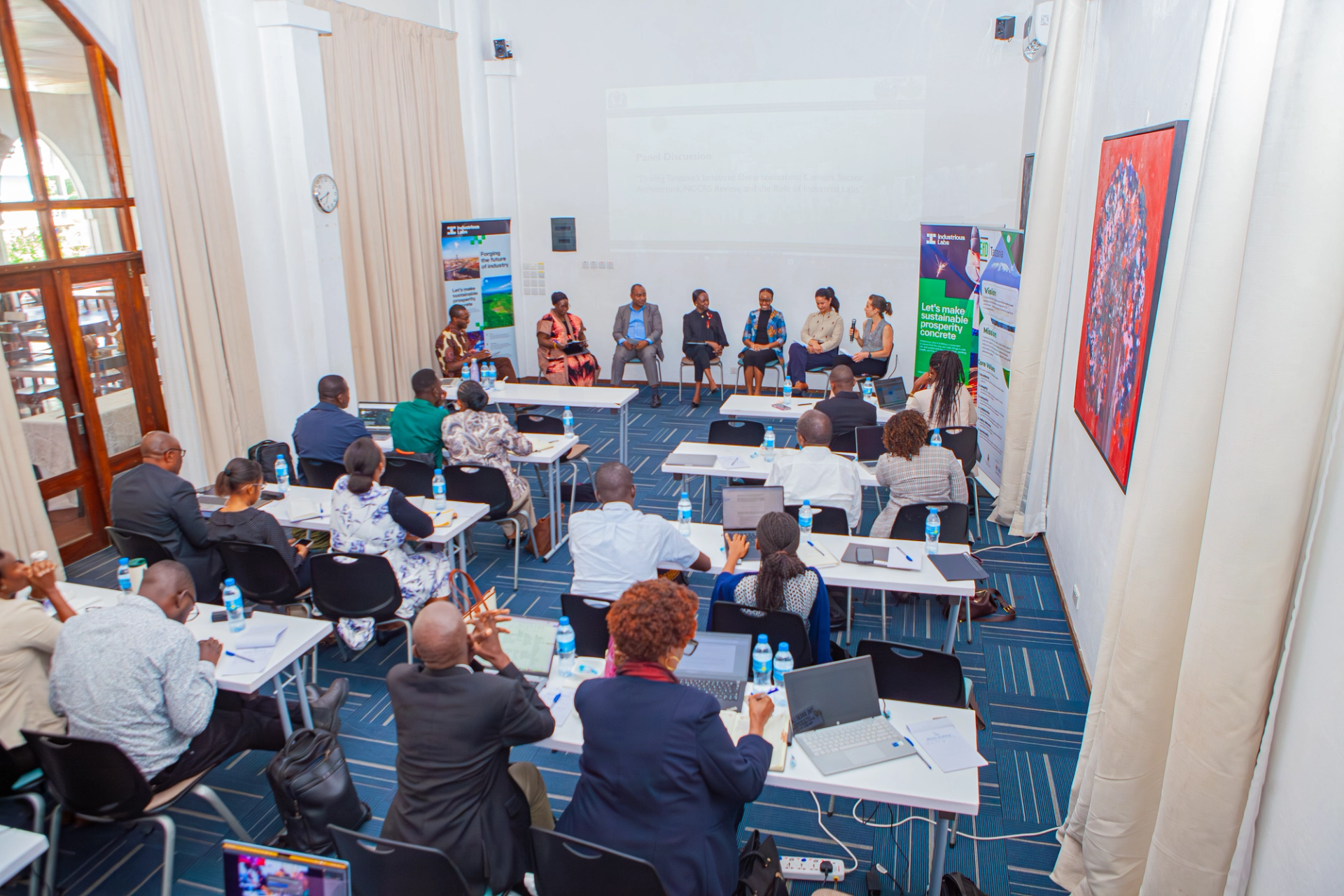
Above: A panel of experts presents during the Tanzania cement convening
Tanzania’s Vice President’s Office praised the “quality of discussions” and “thoughtful project proposals,” and expressed interest in advancing a collaborative framework with Industrious Labs moving forward.
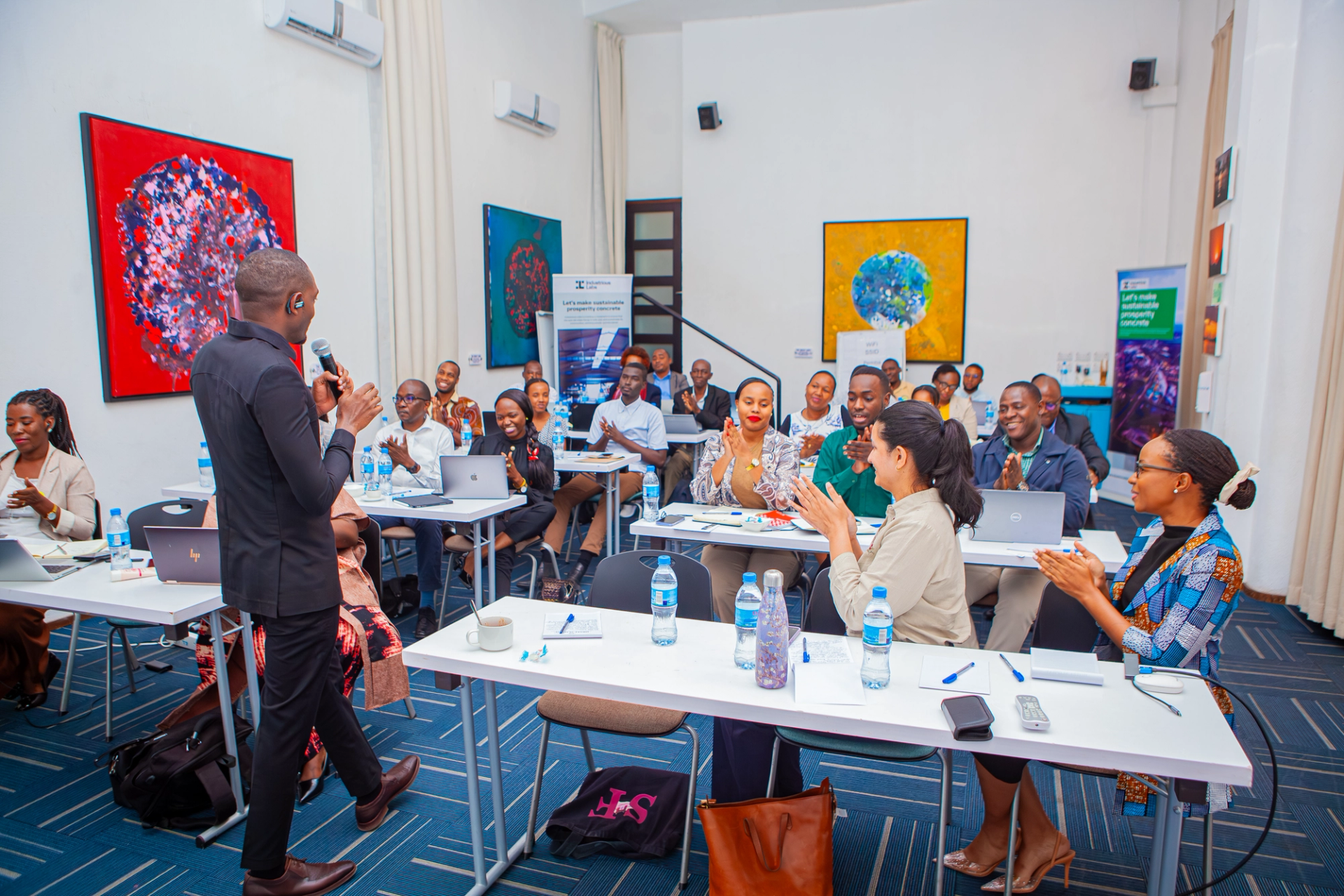
Above: Workshop participants listen to a presenter
We left with the early architecture of something rare: a climate solution for industry designed from the inside out, built on local knowledge, local relationships, and local ambition. And people are paying attention. We are also exploring similar conversations in Kenya and India. More to come — but we’re excited to bring this transformational workshop to a global level.
Want more like this? Subscribe to the Lab Report for updates on the movement to clean up heavy industry every two weeks.